
Applications Open October 12, 2026

For many students, the path to a successful future does not have to begin with a four-year college degree. It can begin in a construction classroom – learning how to use tools, solve real-world problems and develop skills that employers need.
But starting or expanding a high-quality construction trades program can be challenging for secondary schools facing limited budgets and resources.
That is where Home Builders Institute’s (HBI) 2027 Schools to Skills Grant can help.
The two-year Schools to Skills Grant (S2S) helps eligible secondary schools and school districts create or strengthen construction trades programs using HBI’s nationally recognized Pre-Apprenticeship Certificate Training (PACT) curriculum. By helping remove financial barriers to career and technical education, the program gives more students opportunities to explore the skilled trades and prepare for careers in residential construction.
The 2027 Schools to Skills Grant application opens October 12, 2026, and the application deadline is December 18, 2026.
Learn More and Apply for the 2027 Schools to Skills Grant
What Is the Schools to Skills Grant?
Schools to Skills (S2S) is an HBI initiative designed specifically to help secondary schools and school districts bring high-quality construction education into their classrooms.
The program provides two years of support to help schools establish or enhance construction trades education through HBI’s PACT curriculum. HBI launched Schools to Skills in 2019 with the goal of making high-quality trades education accessible to more students.
The Home Depot Foundation and the National Housing Endowment make the grant possible.
Schools selected for the grant receive resources that can include:
- HBI’s complete PACT curriculum and curriculum materials
- Instructor training and certification
- Implementation and ongoing program support
- Access to CTEtechWorks®, HBI’s online learning management system
- Industry-recognized student certification opportunities
The result is more than a construction class. Schools can develop a structured career pathway that connects education, hands-on experience and industry expectations.
What Makes HBI’s PACT Curriculum Different?
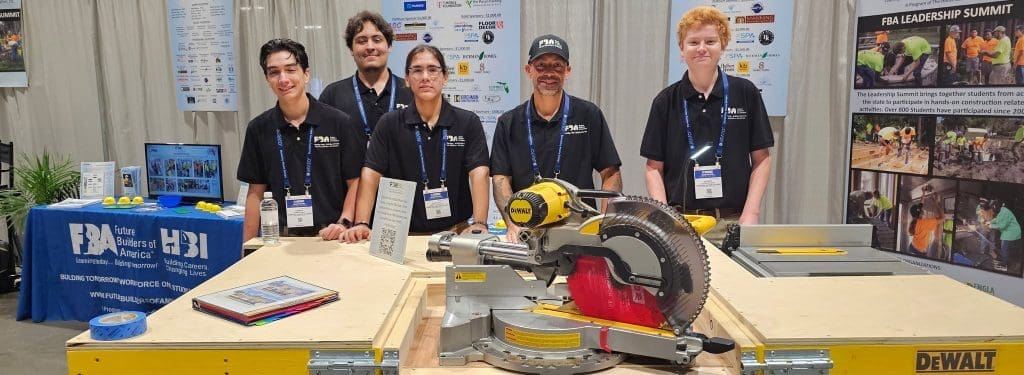
At the center of Schools to Skills is HBI’s Pre-Apprenticeship Certificate Training (PACT) curriculum.
PACT combines skills-based building trades education with academic and vocational skills, career development, life skills and on-the-job training. The curriculum aligns with STEM principles and is one of only three national pre-apprenticeship curricula recognized by the U.S. Department of Labor.
Learn More About HBI’s PACT Curriculum
The curriculum’s modular structure allows schools to tailor training to their students and programs. In addition to PACT Core, which covers foundational areas such as safety, construction math, tools, materials and employability skills, schools can offer trade-specific instruction in areas including carpentry, electrical, plumbing, HVAC, brick masonry, landscaping, painting and finishing, building construction technology and weatherization.
That flexibility makes PACT useful for schools beginning a construction program, as well as those looking to expand an existing CTE pathway.
From Schools to Skills to Future Builders of America®
Schools to Skills also plays an important role in the continued growth of Future Builders of America®, HBI’s program for schools, workforce programs and community organizations implementing PACT.
Through Future Builders of America®, students can develop hands-on skills while earning industry-recognized credentials and learning about the many careers available throughout residential construction.
Just as importantly, the program can help schools strengthen relationships with local Home Builder Associations, construction employers and workforce leaders.
Those connections help create pathways that extend beyond graduation – from the classroom to apprenticeships, postsecondary education and employment.
Learn More About Future Builders of America®
Removing Financial Barriers to Career Education
For schools, building a construction trades program requires more than a curriculum. Teachers need training. Students need appropriate learning materials. Programs need implementation support. Schools also need a way to connect classroom learning with employer expectations in the workplace.
Those costs and logistical challenges can prevent otherwise interested schools from moving forward.
Schools to Skills is designed to help remove those barriers.
The impact can extend well beyond a single classroom. A strong construction education program can introduce students to careers they may never have considered while giving local employers access to a growing pipeline of young people with foundational skills and an understanding of the industry.
As one Polk County carpentry instructor using PACT explained, the program gives students hands-on experience they can use throughout their lives while helping them discover career opportunities they had not previously considered.
Building Stronger Local Workforce Pipelines
Schools to Skills is not only an investment in students. It is an investment in communities and the future construction workforce.
When schools, educators, local Home Builder Associations and employers work together, students can see a clearer connection between what they learn today and where those skills could take them tomorrow.
For employers, that means an opportunity to engage with future workers earlier.
For educators, it means providing students with another meaningful pathway after graduation.
And for students, it means having the opportunity to graduate with practical experience, industry-recognized training and a better understanding of the careers available to them.
That is how career education can help strengthen the construction workforce – one classroom and one future builder at a time.
Who Is Eligible for the 2027 Schools to Skills Grant?
The Schools to Skills Grant is available to eligible secondary schools and school districts interested in implementing HBI’s PACT curriculum. HBI’s Schools to Skills information page provides current program and eligibility information.
Educators and administrators interested in the 2027 grant cycle should begin preparing now.
Applications open October 12, 2026
Application deadline: December 18, 2026
Ready to Bring Construction Career Education to Your School?
The next generation of skilled trades professionals is already sitting in classrooms across America. Schools to Skills helps educators give those students an opportunity to discover what they can build – including their own futures.
If your school or district is ready to launch or strengthen a construction trades program, explore the 2027 HBI Schools to Skills Grant and prepare to apply beginning October 12, 2026.
Get 2027 Schools to Skills Grant Information and Apply
Questions about the program? Contact HBI’s Industry and Partnerships team at Partnerships@HBI.org.
Applications close December 18, 2026 – don’t miss the opportunity to bring HBI’s nationally recognized construction training to your students.
Frequently Asked Questions About the Schools to Skills Grant
What is the HBI Schools to Skills Grant?
Schools to Skills (S2S) is a two-year grant program that helps eligible secondary schools and school districts create or enhance construction trades education using HBI’s PACT curriculum.
When does the 2027 Schools to Skills Grant application open?
Applications for the 2027 grant cycle open October 12, 2026, and are due December 18, 2026.
What does the Schools to Skills Grant provide?
The program helps schools implement PACT with curriculum resources, educator training and certification, ongoing support and related learning resources. PACT partners also have access to HBI’s CTEtechWorks® learning management system.
What is HBI PACT?
PACT stands for Pre-Apprenticeship Certificate Training. HBI’s performance-based curriculum combines hands-on building trades instruction with academic, employability, career-development and life skills.
Where can schools apply?
Schools can find grant information and application updates on HBI’s dedicated Schools to Skills page.